
Guide · For potters
How to Price Your Pottery (Without Undercharging)
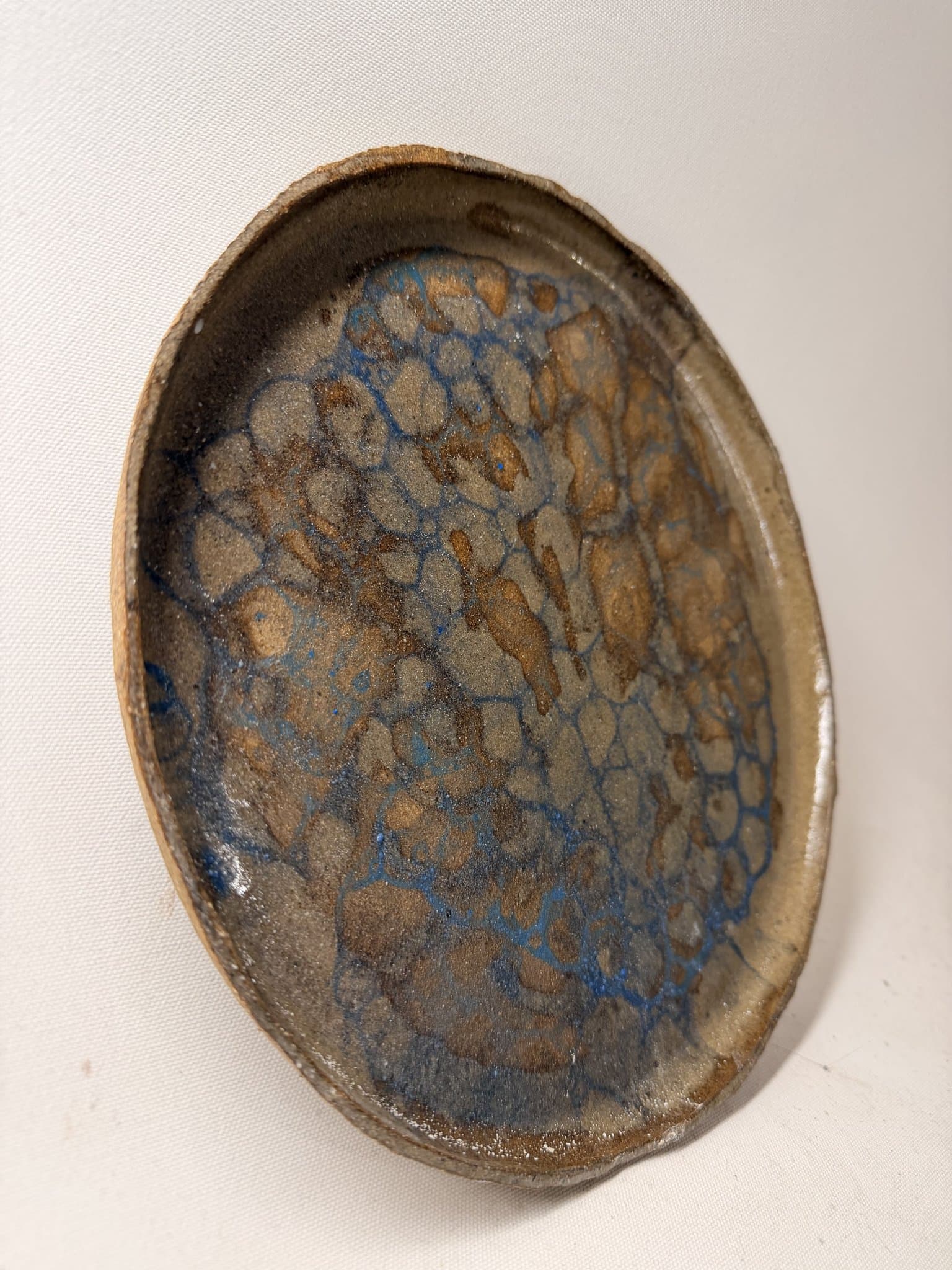
Someone picks up a mug you made, turns it over, and asks how much. If you're like most potters, your first instinct is to name a number lower than it's worth, because charging properly for something you made with your hands can feel almost rude. It isn't. A handmade pot has real materials, real firings and real hours in it, plus years of practice that don't show up on the shelf. Pricing it fairly isn't greedy, it's just honest. Here's a way to land on a price you can say out loud without flinching, wherever you are in your pottery.
Start with what the piece actually costs you
Before you can price a pot, you need to know what it cost to make, and most people underestimate this badly. There's the clay, the glaze, and the firing, both the bisque and the glaze firing, which use power and kiln space whether you own the kiln or pay a studio. Add anything else that went in: a transfer, a decal, special oxides. That number is your floor. Sell below it and you're paying for the privilege of giving your work away. Knowing it doesn't tell you your price on its own, but it stops you setting one that loses money without you noticing. Just don't get lost chasing the exact cost of a single decal or a smear of glaze. The base is a rough guide, not an accounting exercise, and past a certain point you're doing sums for the sake of it.
Pay yourself for your time
The cost most potters leave out is their own time, because it doesn't come with a receipt. But your hours are the most valuable thing in the piece. Decide on an hourly rate you'd be happy to work for, then count the real time: throwing, trimming, handling, glazing, loading, all of it. It adds up faster than you'd think, and it's the difference between a hobby that drains money and one that at least pays for itself. Putting a number on your time is the first real act of respecting your own work.
Then add your creative markup
Cost plus time gives you a fair base, the point where you're not out of pocket and you're paid for your labour. But the base is only the starting line, and it's the next part that actually matters, the part that's harder to put a number on and easiest to undervalue: your design, your skill, the fact that it's handmade and one of a kind, and that nobody else makes quite what you make. That's your creative markup, and it's yours to claim. How much depends on your work and your market, but the mistake almost everyone makes is setting it to zero. A wobbly first-year bowl and a piece from someone with ten years at the wheel shouldn't cost the same, even if the clay did.
Price for where you are right now
What you're aiming for changes as you grow, and your prices can change with it.
Early on, you might just want to cover your materials and clear some shelf space so you can keep making. That's completely fine. Pricing at cost, or a little above, to move work and fund the next batch is a sensible goal while you're learning.
A bit further along, the aim is usually to stop subsidising the hobby: to cover your materials and pay yourself something for your time, so making at least pays for itself.
And if you're selling seriously, at markets, to shops, or online, you need the full picture: cost, time, your creative markup, and enough margin left over that a stall fee or a gallery's cut doesn't wipe you out. The trap here is pricing like a hobbyist long after you've stopped being one. As your skill grows, let your prices grow with it.
Selling to friends and family
This is where good pricing usually falls apart. Friends and family are your first and warmest customers, and they're also the most likely to expect mates' rates, or to be a little startled that your work costs real money.
It helps to separate two things. If you want to give someone a piece, give it, as a gift, freely and gladly. That's one of the best parts of making. But a gift and a discount aren't the same thing. Knocking your prices down for everyone you know isn't generosity, it just teaches the people around you that your work is worth less than it is, and that number has a habit of following you around.
A simple approach: gift deliberately when you want to, and otherwise charge close to your normal price, even with friends. If you do offer a friends' price, keep it above your cost-and-time base, so you're never actually losing money to be nice. Most people, once they understand what goes into a piece, are happy to pay for it, and the ones who care about you would rather see you paid properly anyway.
Let the maths do itself
Working all this out by hand, piece by piece, is exactly the kind of admin that stops people pricing properly at all. MudBuddy's app can take care of the base for you. If your studio uses MudBuddy, it already knows what you spent on clay and firing for a given piece; if you're working on your own, you can enter those figures yourself. You set your hourly rate once, and add the time a piece took, since only you know that, and it works the base out from there. Then you add your creative markup on top, which is the part that actually matters. It's meant to save you the sums, not turn pricing into a spreadsheet. If that sounds useful, you can try it here.
The short of it
The single most common pricing mistake in pottery is charging too little, usually out of modesty. Work out what a piece costs you, pay yourself for your time, add something for the skill in your hands, and price for the stage you're actually at. Your work is worth more than the clay it's made from, and it's alright to say so.

Let MudBuddy do the sums
Set your rate once, add the time a piece took, and MudBuddy works out a fair base. Then add your markup, and price with confidence.
Get startedFree to start. No credit card required.
Frequently asked questions
How do you price handmade pottery?
Start with what the piece cost you in clay, glaze and firing, then add a fair rate for the hours you put in. That gives you a base price where you're not losing money and you're paid for your time. On top of that, add a markup for your design and skill and the fact that it's handmade. How big that markup is depends on your work and who you're selling to.
How do I work out an hourly rate for my pottery?
Pick a rate you'd genuinely be happy to earn for skilled work, then be honest about the real time a piece takes, throwing, trimming, handling, glazing and loading included, not just the minutes on the wheel. Multiply the two. Most makers are surprised how much time is actually in a piece, which is exactly why leaving time out leads to undercharging.
What should I charge friends and family for my pottery?
Decide whether you're giving a gift or making a sale, and don't blur the two. If you want to gift a piece, give it freely. If it's a sale, charge close to your normal price, and if you offer a friends' discount, keep it above what the piece cost you to make, so you're not losing money. People who value you would rather see you paid fairly.
Why do potters undercharge?
Usually modesty, and leaving their own time out of the sum. It feels awkward to put a real price on something you made by hand, so people default low, and because the hours don't come with a receipt they get forgotten. Working out your true cost and time makes it much easier to charge what a piece is actually worth.